


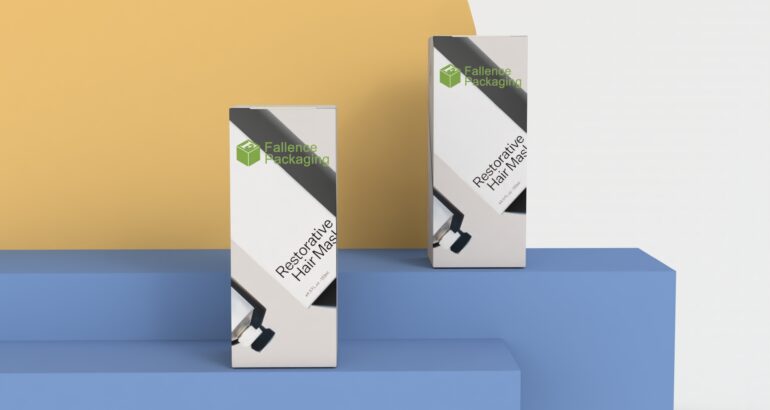
Aqueous coating is increasingly gaining popularity across various industries for printing and packaging, as more brands strive to make their products stand out in the marketplace. This coating is widely regarded as an excellent solution for achieving high-quality, durable prints.
It enhances the appearance of packaging by giving it a glossy or shiny finish, helping products capture attention on store shelves. Whether you choose lamination or coating, both approaches can enhance the aesthetic appeal and value of your packaging.
What is Aqueous Coating?
Aqueous coating or called water varnish is a clear, water-based varnish applied during the printing process of eco friendly packages, often regarded as the go-to choice for creating premium packaging finishes. Known for its quick-drying properties, aqueous coating can provide different finishes, such as satin, gloss, or matte, making it a versatile option for a variety of packaging designs. It is commonly used in offset printing to add a layer of protection and a touch of luxury to printed products.
When products are displayed in stores, they are often handled by many people, which can lead to smudges and fingerprints. Aqueous coating offers protection against these issues by creating a smudge-resistant, fast-drying surface. This environmentally friendly solution not only enhances the visual appeal but also provides an added layer of protection to your packaging design.
However, it is important to note that while aqueous coating is water-based, it is not waterproof.

Purpose of Aqueous Coating/Water Varnish
Aqueous coating adheres well to glossy surfaces and is often used to accentuate certain areas with a gloss varnish. Knowing the specific purpose of the coating for each packaging project is crucial. The addition of aqueous coating can create an excellent barrier against dirt, while also enhancing the presentation of the product.
Here are some key reasons to consider using aqueous coating:
Enhance Aesthetic Appeal
Aqueous coating improves the overall aesthetic of packaging by offering a polished, glossy finish. This type of finish enhances the vibrancy and brightness of colors, making packaging more visually striking. This is especially important for luxury products or premium packaging where appearance plays a significant role.
Provide Durability
One of the major advantages of aqueous coating is that it is durable and long-lasting. It preserves the shine and appearance of the packaging over time, protecting it from wear and tear, as well as fingerprints. This helps ensure that your product retains its high-quality appearance through handling and storage.
Increase Brand Visibility
Aqueous coating can elevate brand visibility by creating unique effects on printed material of eco friendly retail packaging. By applying this coating, you enhance your product’s shelf appeal and increase its recognition among competitors which is normally used in the package type of Paper Folding Carton or Custom Boxes/Packaging.
Types of Aqueous (AQ) Coating
There are several types of aqueous coatings available in the market. Understanding these different types can help you select the best option to suit your specific packaging needs. Here are some of the most common types:
Gloss AQ Coating
Gloss aqueous coatings offer a vibrant, shiny finish that creates a luxurious impression which can be applied into the products such as eco friendly soap packaging. This type of coating is ideal for making your product stand out on store shelves, giving it a shimmery, eye-catching effect when exposed to light.
Satin AQ Coating
Satin aqueous coating provides a more subtle sheen, offering a balance between a glossy and matte finish. It is often chosen for products that require a versatile, sophisticated appearance. Satin coatings are also fingerprint-resistant, making them a practical choice for products that are frequently handled.
Matte AQ Coating
Matte aqueous coating delivers a high-end, non-reflective look, making it an excellent choice for products seeking an understated, elegant presentation. This coating absorbs light rather than reflecting it, offering a smooth and natural aesthetic.
Aqueous Coating vs. Lamination: Which is Better?
When deciding between aqueous coating and lamination, it’s important to consider your specific needs. Both techniques enhance durability and appearance, but they differ in terms of process and material.
Lamination
Lamination is typically used for packaging products like groceries, cosmetics, jewelry, and other high-end items. It adds a protective layer, creating a waterproof sheen or texture, making it an ideal choice for products that need extra protection. Lamination is often more expensive than aqueous coating but offers an elegant finish for luxury products, particularly when exposed to direct light.
Aqueous Coating
Aqueous coating, on the other hand, is a cost-effective and environmentally friendly solution. It offers similar finishes, such as a glossy effect, but is faster to apply and dries more quickly. Unlike lamination, aqueous coating is biodegradable, making it a more eco-conscious choice. It also cures instantaneously, improving production turnaround time.
Key Advantages of Aqueous Coating:
- Can be applied to the cut sheet
- Enhances barrier properties compared to lamination
- Made from biodegradable, water-based materials
- Faster curing process, reducing production times
Both aqueous coating and lamination offer benefits for enhancing and protecting packaging, so the choice depends on your specific project requirements and aesthetic preferences.
Conclusion
Aqueous coating is a highly popular choice for print finishes due to its fingerprint-resistant properties, vibrant effects, and overall durability. When you’re aiming to create a luxurious look for your product, keep in mind the type of finish that best suits your needs.
Aqueous coating can provide the ideal solution for custom packaging that leaves a lasting impression on customers which is the super production advantage of Fallence Packaging as the best luxury paper package partner for your brand.
4o

 English
  Deutsch
  Italiano
  Français
  日本語
日本語  简体中文
简体中文  香港中文
香港中文  Español
  한국어
한국어