


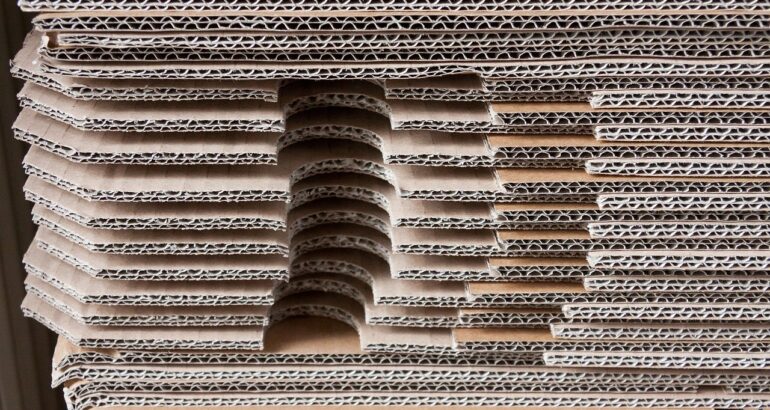
When designing packaging boxes, one crucial aspect to consider is the thickness of the cardboard. The thickness impacts not only the protection of the product but also factors like shipping costs, print quality, and overall durability. This guide will provide an in-depth understanding of cardboard thickness, helping you make the best decision for your packaging needs.
Why Cardboard Thickness Is Important
Cardboard thickness of custom cardboard boxesplays a significant role in various aspects of packaging. Here’s why it matters:
1. Enhanced Protection for Shipping
Products often face rough handling during shipping, and the right cardboard thickness ensures that your items remain safe. Thicker cardboard can better withstand impacts and prevent damage, making it essential for fragile or valuable products.
2. Reducing Shipping Costs
While thicker cardboard provides better protection, it also adds weight to your shipments. Heavier boxes can increase transportation costs. By understanding cardboard thickness, you can strike the right balance between protection and cost-effectiveness.
3. Defense Against Environmental Factors
External elements like moisture or heat can damage certain products. Choosing the appropriate cardboard thickness can help protect your items from these environmental factors.
4. Printing and Design Support
Thicker cardboard typically supports more sophisticated printing techniques. If you plan to use high-quality graphics or detailed branding on your packaging, opting for thicker cardboard can give you better results.
5. Overall Cost Consideration
Cardboard thickness of small cardboard boxes affect the cost of your packaging. Thicker sheets tend to be more expensive, so it’s essential to match your packaging needs with your budget.
How to Measure Cardboard Thickness
Cardboard thickness can be measured using two primary methods:
1. Automatic Thickness Gauge
An automatic thickness gauge is a machine that measures the thickness of a cardboard sheet precisely. It presses the material and provides an accurate reading of its thickness.
2. Manual Thickness Gauge
In this method, you manually place the cardboard in a gauge and tighten a screw to measure the thickness. While this method can be effective, it may not always be as precise as an automatic gauge.
Common Measurement Units for Cardboard Thickness
1. Grams per Square Meter (GSM)
GSM measures the weight of the cardboard over a square meter. This unit is often used to categorize different types of paper and cardboard. For instance:
- 35-55 GSM: Newspaper material
- 90-100 GSM: Printer paper
- 210-300 GSM: Brochures
- 350-400 GSM: Packaging-grade cardboard
2. Point System
Another way to measure cardboard thickness for wholesale cardboard packaging is the point system, where 1 point equals 1/1000 of an inch. Common thicknesses range from 8 PT (thin) to 16 PT (thick).
3. Corrugated Flute Types
For custom mailer boxes the type of flute (the wavy sheet between the layers of cardboard) is a critical factor in determining thickness. The most common flute types are:
- A flute: 5 mm (1/4″)
- B flute: 3 mm (1/8″)
- C flute: 4 mm (11/64″)
- E flute: 1.5 mm (1/16″)
Each type of flute provides different levels of protection and weight support of paper corrugated mailer box, so you can choose according to the product’s shipping needs.

Selecting the Best Cardboard for Your Packaging
When deciding on the ideal cardboard thickness for your packaging, consider the following factors:
1. Product Type
The nature of your product determines the required thickness. Fragile or heavy products often need thicker cardboard for enhanced protection.
2. Shipping Process
Consider the shipping conditions your products will face. Thicker cardboard may be necessary if the items will encounter harsh handling or long shipping distances.
3. Budget
Thicker cardboard generally costs more. Based on your budget, balance the need for protection with cost-effectiveness.
4. Design Requirements
If you require high-end printing for branding or aesthetic purposes, thicker cardboard might be a better choice to achieve superior results.
Conclusion
Understanding cardboard thickness is crucial when choosing packaging that meets your specific needs. From protection during shipping to cost considerations and printing options, cardboard plays a vital role in your packaging strategy. Working with experts like Fallence Packaging can ensure you get the right material and design for your packaging, allowing your products to stand out while staying protected.
 English
  Deutsch
  Italiano
  Français
  日本語
日本語  简体中文
简体中文  香港中文
香港中文  Español
  한국어
한국어