


According to ABB, approximately 100 billion boxes are produced yearly in the U.S., reflecting the immense demand for packaging solutions. The market is flooded with various types of boxes, catering to diverse business needs. Understanding the different packaging options available is essential for any small business aiming to optimize product delivery and customer experience.
Below is an extensive guide that highlights the different types of custom packaging boxes, allowing small businesses to make informed decisions based on their specific needs.

Why Custom Boxes Matter for Small Businesses
Selecting the right packaging is crucial for several reasons, including:
- Product Protection: Custom boxes ensure that products are well-protected during shipping and handling.
- Efficient Shipping: These boxes are designed for easy stacking and transportation.
- Tailored Sizing: Customization helps create packaging that snugly fits products, reducing waste.
- Brand Identity: Well-designed packaging can boost brand recognition and leave a lasting impression on customers.
- Enhanced Customer Experience: Attractive, functional packaging improves the overall customer experience, building loyalty.
Box Types by Material
Boxes come in various materials, each with unique properties. These materials play a significant role in defining the sustainability, durability, and purpose of the packaging.
1. Sustainable Boxes
With environmental concerns on the rise, many businesses are opting for eco-friendly packaging options. Sustainable custom packaging box is biodegradable and recyclable, helping reduce environmental impact. Here are some popular sustainable packaging solutions:
- Cardboard Boxes: One of the most common packaging materials, cardboard is sturdy, biodegradable, and highly versatile.
- Paper Cardboard Gift Box: Made from recycled materials, paperboard boxes are lightweight and flexible, similar to cardboard but often thinner.
- Corrugated Boxes: Known for their strength, corrugated boxes consist of three layers—an outer layer, an inner layer, and a fluted middle layer—offering superior protection.
- Kraft Packaging: Kraft boxes are made from kraft paper and are ideal for lightweight items. They are highly biodegradable and a popular choice for eco-conscious businesses.
2. Unsustainable Boxes
These materials are harmful to the environment due to their non-biodegradable nature and high energy consumption during recycling.
- Plastic Boxes: Commonly used for various products, plastic packaging is not biodegradable and contributes to pollution.
- Metallic Boxes: Often used for food items, metallic boxes like tin cans and aluminum containers take a long time to decompose.
- Styrofoam Boxes: These boxes provide excellent insulation but are highly unsustainable due to their long degradation period.
3. Partially Sustainable Boxes
Partially sustainable boxes have some eco-friendly features but are not fully biodegradable.
- Wooden Boxes: While reusable, wooden boxes take a long time to degrade.
- Rigid Boxes: Thick and durable, these boxes are recyclable but take longer to break down due to their density.
- Cardboard with Plastic Add-Ons: These boxes are made of cardboard but feature plastic components, making them less sustainable.
- Chipboard Boxes: Made from recycled fibers, chipboard boxes are sturdy but slow to degrade.
Box Types by Purpose
The function of a box often determines its design. Different packaging solutions are available depending on whether you need to display, store, or ship products.
1. Retail Boxes
Retail boxes in custom packaging solutions are designed to showcase products on store shelves. These custom boxes/packaging include display boxes that enhance product visibility and influence customer buying decisions.
2. Shipping Packaging
Shipping boxes are designed for durability to ensure products are delivered safely. They often come with protective inserts like bubble wrap or foam to minimize damage during transit.
3. Mailer Boxes
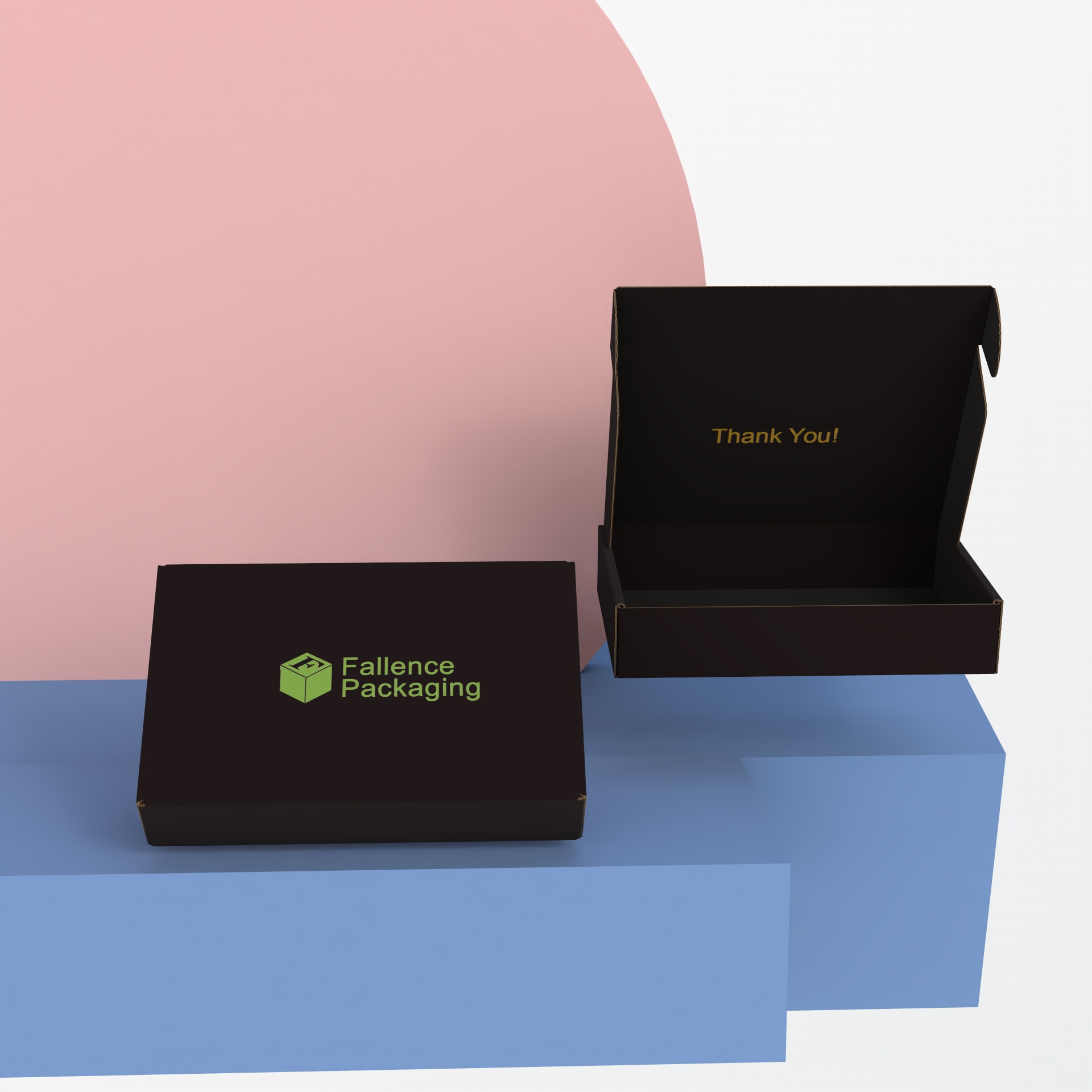
Ideal for e-commerce, mailer boxes are compact and used for smaller-scale shipments. They are sturdy enough for shipping but are also designed for easy handling by the end consumer.
4. Storage Cartons
Primarily used in warehouses and retail storage, these cartons are stackable and space-efficient, making them ideal for storing bulk products.
Types of Custom Box Styles
Custom box styles vary based on shape and functionality. Below are a few common styles used by small businesses:
1. Folding Carton Boxes
These collapsible boxes are made from die-cut cardboard and can be manually assembled into their box shape.
2. Telescope Boxes
Typically rectangular, these boxes feature a removable lid and are used to store longer items. They provide excellent protection, especially when made from rigid materials.
3. Gable Boxes
Gable boxes are collapsible and feature a unique design with a built-in handle, making them ideal for gift packaging.
4. Sleeve Packages
These luxurious boxes have two parts: an inner tray and an outer sleeve. Their elegant design is perfect for high-end products.
5. Shoulder Boxes
These premium boxes come in three parts: a lid, a base, and a middle tray. They offer a luxurious unboxing experience, making them ideal for exclusive products.
6. Display Boxes
Designed to showcase products, display boxes feature open fronts to attract customer attention in retail environments.
Box Types by Regulations
Certain products, such as CBD, cigarettes, and vapes, require compliant packaging to meet legal standards. These boxes often include safety locks to prevent children from accessing the contents and must display warning labels about potential hazards.
How to Choose Custom Packaging for Small Businesses
Choosing the right packaging can be challenging, but considering the following factors will help you make an informed decision:
- Product Nature: Select packaging based on the type of product you’re selling (e.g., retail items may require display boxes).
- Functionality: Ensure the packaging is easy to handle and store.
- Box Price: Consider your budget and get quotes from different suppliers to find cost-effective solutions.
- Environmental Impact: Opt for sustainable packaging solutions if you want to minimize your environmental footprint.
- Customization Options: Choose vendors offering tailored packaging to meet your specific needs.
- Customer Experience: Good packaging enhances the user experience, leaving a lasting impression on your customers.
Wrap-Up
There are numerous types of boxes available in the market, each serving different business needs. Whether you’re looking for eco-friendly options or premium packaging styles, choosing the right box depends on the nature of your products, your budget, and customer preferences.
For high-quality, customized packaging solutions at an affordable price, contact Fallence Packaging. Let us help your small business stand out with our expertly crafted packaging solutions.

 English
  Deutsch
  Italiano
  Français
  日本語
日本語  简体中文
简体中文  香港中文
香港中文  Español
  한국어
한국어