


According to research conducted by Business Research Insights:
“The global market size for die-cutting machines was valued at around USD 1.1 billion in 2022.”
This impressive volume stems from die-cutting being one of the most efficient methods for shaping materials such as paper, cardstock, rubber, and foam. It is highly regarded for producing precise, high-quality shapes, whether sharp or curved.
In this guide, we will provide a comprehensive overview of die-cutting, including its types, and applications in shaping various materials for retail packaging supplies. Continue reading to learn more!
What is Die Cutting Drawing?
Die cutting is a versatile cutting and shaping method widely used in the packaging, printing, and labeling industries. The process involves cutting or shaping materials like packaging, labels, and stickers based on dielines—specific guidelines that dictate the cutting pattern.
What is a Die?
A die is a metal tool shaped according to the desired design. Dies are sharp and designed to cut materials with precision, ensuring that each piece conforms to its intended design. Steel-rule dies are particularly popular for creating clean, sharp edges on packaging and labels. These dies are lightweight, easy to store, and effective for cutting thin materials on retail ready packaging
A Brief History of Die Cutting
The die-cutting process originated in the mid-1800s in the leather and shoemaking industries, where it was used to streamline the cutting of leather soles. By the early 1900s, die-cutting had advanced, becoming more accessible for crafting shoes and other products. In 1977, the first consumer-grade die-cutting machine was introduced, allowing for more widespread use of the technology.
Types of Die Cutting Techniques
There are several methods for die cutting, each suited for specific projects and materials:
- Rotary Die Cutting Rotary die cutting is known for its ability to cut large quantities of material quickly. In this process, a rotating metal cylinder equipped with sharp blades slices through materials such as cardstock or plastic as they pass underneath. This technique is ideal for high-volume production.
- Laser Die Cutting For cutting intricate designs with high precision, especially on flexible materials like foam or rubber, laser die cutting is the preferred method. This technique uses a laser beam to cut even the smallest details, such as tiny holes or fine edges, without damaging the material.
- Flatbed Die Cutting Flatbed die cutting is often used for projects that require lower volumes but involve thicker materials. In this method, a flat die is pressed against the material, cutting it into the desired shape. This is a cost-effective solution, particularly for small-scale production runs.

Applications of Die Cutting
The widespread use of die-cutting machines for retail packaging design is due to their versatility across multiple industries. Common applications include:
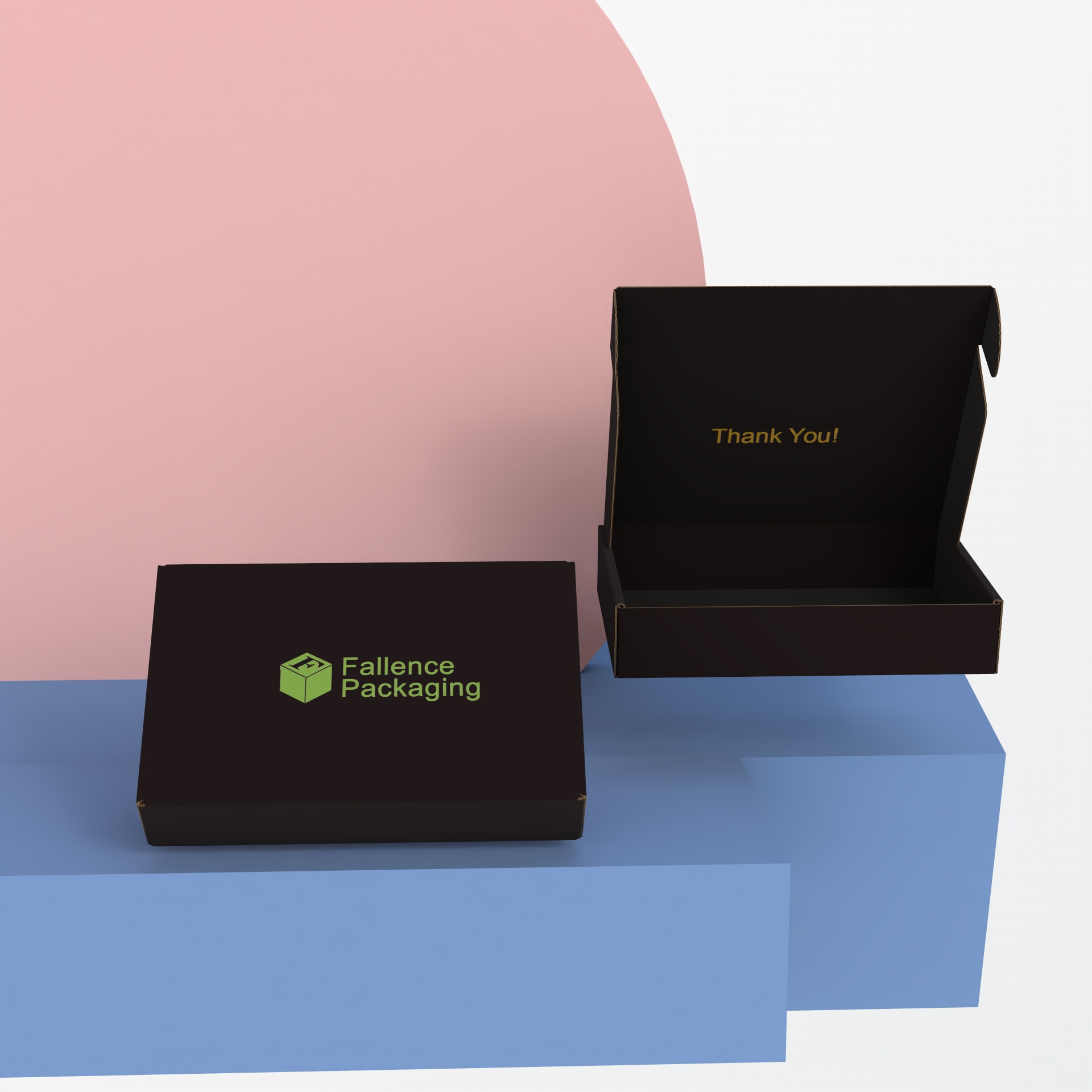
- Custom Packaging Boxes Die cutting plays a crucial role in the packaging industry, shaping foldable boxes, custom bags, and other types of packaging. Manufacturers often use this technique to add unique elements, such as die-cut windows, that enhance the visual appeal of packaging.
- Stickers, Cards, and Labels Die-cutting techniques are also frequently used to create marketing materials like stickers, cards, and labels. Thin materials like paper and cardstock are ideal for rotary die cutting, while more complex designs for greeting cards or business cards may require flatbed die cutting.
- Foam, Rubber, and Plastic Components In industries such as automotive manufacturing, die-cutting is used to shape rubber gaskets and engine seals. Thin plastic sheets and foam can also be die-cut to create a range of products, including insulation and protective gaskets. It’s normally used in the package type of cardboard boxes.
Types of Die Cutting Machines
Die-cutting machines come in a variety of types, with two of the most common being:
- Manual Machines: These machines use steel cutting dies and are operated with a manual lever. They are well-suited for home or small-scale use.
- Digital Machines: Digital die-cutting machines use a computer or cartridge to guide the cutting process. Instead of a steel die, these machines use a sharp blade, allowing for more flexibility in design and application.
Importance of Dielines in Die-Cutting
Dielines are lines or patterns drawn around the borders of packaging templates, helping guide the cutting process. These lines play a critical role in ensuring precise cuts, allowing manufacturers to produce perfectly shaped packaging or labels. Depending on the project, dielines can include cut lines, fold lines, or perforation marks, and they are often created by packaging designers.

Die Cutting in Printing
In printing, die cutting is often used to add custom shapes and designs to paper, labels, and packaging. Dies can cut through printed materials, leaving behind distinctive shapes that enhance the visual appeal of the product. For example, a brand logo can be die-cut into packaging to create a memorable and captivating look.
Conclusion
Die cutting is an efficient and precise technique for shaping materials like paper, cardstock, foam, and plastic. It plays an essential role in industries ranging from packaging to automotive manufacturing. By understanding the various types of die-cutting techniques and their applications, manufacturers can create unique and functional products with ease.
For more information about high-quality die-cutting services tailored to your specific needs, contact Fallence Packaging for expert guidance and solutions in custom packaging production.

 English
  Deutsch
  Italiano
  Français
  日本語
日本語  简体中文
简体中文  香港中文
香港中文  Español
  한국어
한국어