


Investing in premium packaging can significantly enhance your product’s appeal. Customization offers choices in materials, sizes, styles, and finishes. One of the key decisions you’ll face is choosing between matte and gloss finishes. These two popular finishes are achieved through different processes, such as lamination and coating. In this guide, we’ll compare matte and gloss finishes, their processes, and the advantages and disadvantages of each, helping you make an informed decision for your packaging needs.
Understanding Lamination vs Coating
Before diving into the specifics of matte and gloss finishes, it’s important to understand the difference between lamination and coating, as these processes are often confused. Lamination involves applying a plastic film over the surface of paper or packaging materials, while coating uses a liquid layer, cured by ultraviolet (UV) light, applied directly onto the surface. Each process can create either matte or gloss effects, depending on the desired result that is a better surface finish option for the eco friendly pharmaceutical packaging.
Key Differences Between Matte and Gloss Finishes
The primary distinction between matte and gloss finishes lies in their appearance and feel. A matte finish is subtle and non-reflective, offering a soft texture, while a gloss finish has a shiny, reflective surface that enhances color vibrancy.
The Growing Demand for Matte and Gloss Finishes
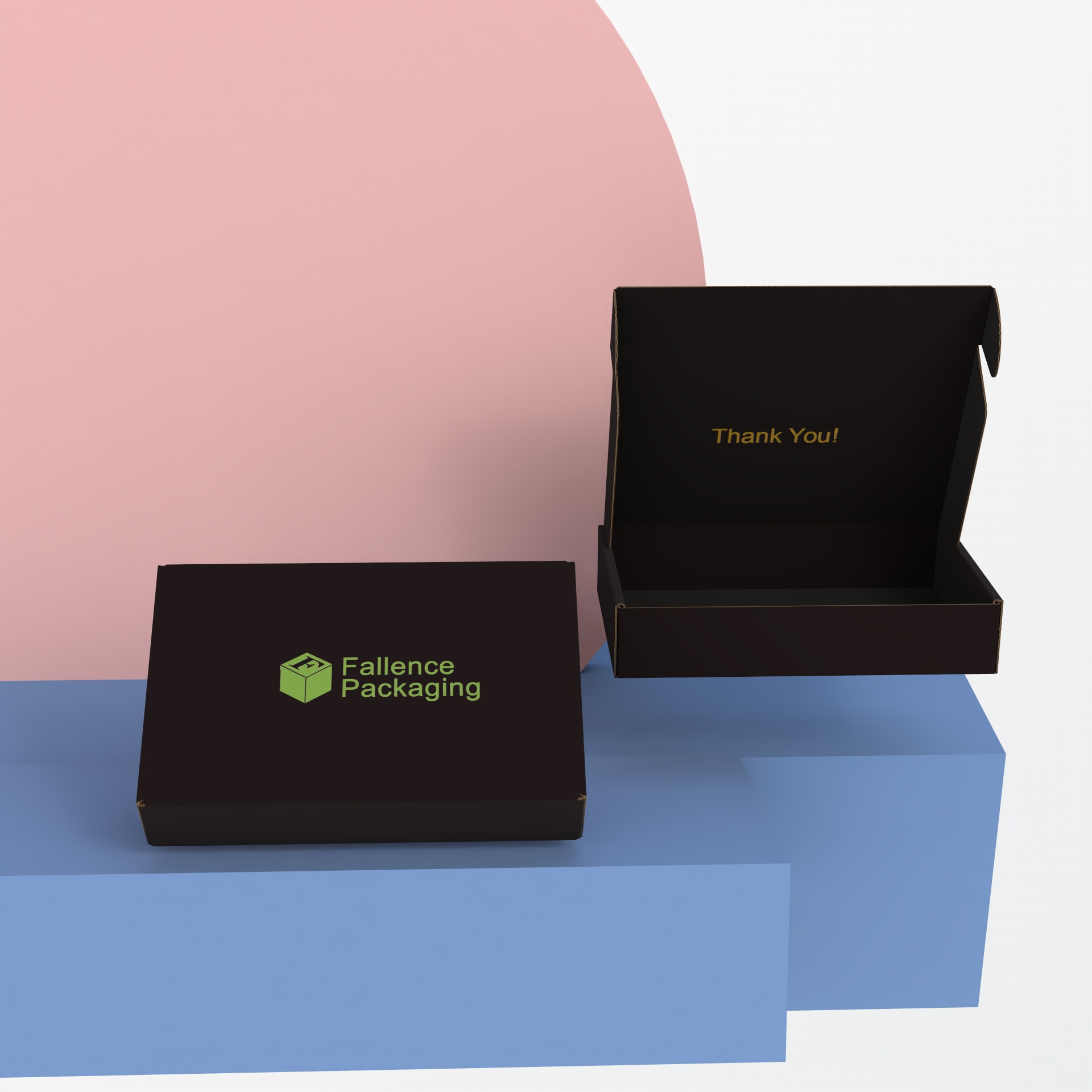
Both matte and gloss finishes for eco friendly product packaging are gaining popularity across industries, driven by their ability to elevate packaging aesthetics. According to industry reports, sales of packaging laminates are expected to reach USD 9.69 billion by 2034, while the packaging coating market is projected to grow at a compound annual growth rate (CAGR) of 5.14% from 2023 to 2033. It’s normally applied into the package type of Paper Sticker or Hangtag and the Paper Cardboard Gift Box.

Pros of Matte Finish
Advantages of Matte Lamination:
- Durability: Offers robust protection against tears, scratches, and abrasions.
- Visual Appeal: The non-reflective surface provides a sophisticated, high-end look.
- Enhanced Readability: Reduces glare, improving the legibility of printed text and images.
- Tactile Experience: Creates a more pleasant and premium tactile feel for the customer.
Advantages of Matte Coating:
- Velvety Texture: Adds a soft, velvety touch to the packaging.
- Color Stability: Provides more stable color preservation compared to matte lamination.
- Cost-Effective: Generally more affordable and easier to apply than lamination.
Cons of Matte Finish
Disadvantages of Matte Lamination:
- Smudging: Prone to showing fingerprints and smudges over time.
- Complex Application: The lamination process is more complicated and expensive compared to coating.
- Lower Color Stability: Less effective in maintaining vibrant colors than matte coating.
Disadvantages of Matte Coating:
- Lower Durability: Offers less protection compared to matte lamination.
- Expensive: Typically more costly than gloss coating.
- Less Tactile: Doesn’t provide as soft of a feel as matte lamination.
Pros of Gloss Finish
Advantages of Gloss Lamination:
- Water Resistance: The plastic film provides excellent moisture protection.
- Enhanced Colors: Amplifies the vibrancy and saturation of printed colors.
- Visual Impact: The shiny surface creates an eye-catching, high-gloss effect.
Advantages of Gloss Coating:
- Smooth Finish: Offers a silky, smooth touch to the packaging.
- Quick Application: The process is generally faster and more efficient.
- Cost-Effective: A budget-friendly option that still delivers a polished look.
Cons of Gloss Finish
Disadvantages of Gloss Lamination:
- Higher Cost: More expensive than gloss coating.
- Reduced Readability: The shiny surface can create glare, making it harder to read printed text.
- Glare Issues: Excessive reflection can detract from the visibility of product information.
Disadvantages of Gloss Coating:
- Lower Durability: Provides less protection compared to gloss lamination.
- Maintenance: Requires regular cleaning to minimize visible fingerprints.
Conclusion
Selecting the right finish—matte or gloss—depends on your packaging goals, product needs, and budget. Both finishes offer unique benefits, whether you prefer the refined elegance of matte or the eye-catching vibrancy of gloss. By weighing the pros and cons of each option, you can make a choice that aligns with your brand and product. If you need further guidance, don’t hesitate to reach out to Fallence Packaging, and we’ll assist you in selecting the best packaging solution for your business!

 English
  Deutsch
  Italiano
  Français
  日本語
日本語  简体中文
简体中文  香港中文
香港中文  Español
  한국어
한국어