


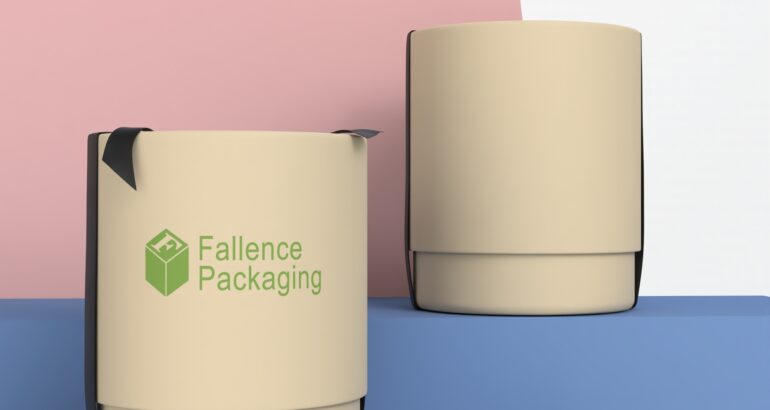
Creating impactful and functional packaging is a critical challenge for brands today. With varying product, industry, and market demands, designing packaging that meets all requirements is a complex task. Understanding these challenges and implementing the right solutions is essential for brands to enhance their image and increase sales.
Here are eight common packaging design challenges and how to overcome them:
1. Choosing High-Quality Packaging Materials
One of the biggest challenges in packaging design is selecting the right material. This decision depends on multiple factors, such as the product’s nature, the functionality required, and the industry trends. Paper-based packaging may be ideal for some brands, while others may need glass, plastic, or other materials.
The key to overcoming this challenge is to thoroughly understand your products and market trends. For eco-friendly options, consider the following materials:
- Kraft Paper
- Cardboard
- Corrugated Stock
- Rigid Stock
These materials offer sustainability and durability, helping align your packaging with current consumer preferences.
2. Creating Emotionally Appealing Designs
Differentiating your packaging in a crowded market is crucial. The emotional appeal of your packaging design can significantly influence consumer decisions. To attract and engage your target audience, you must explore their preferences and create packaging that resonates with them.
Consider using colors, patterns, and designs that evoke specific emotions and reflect your brand’s identity. Drafting thoughtful artwork and implementing a wise color strategy can improve sales and strengthen brand recognition.

3. Enhancing the Unboxing Experience
A satisfying unboxing experience can leave a lasting impression on customers and encourage them to share it on social media, boosting your brand’s visibility. To create a memorable experience, you must design packaging that is both functional and aesthetically pleasing.
Consider the following packaging styles to improve the unboxing experience:
- Custom Gable Boxes
- Custom Bakery Boxes
- Custom Candle Boxes
- Chinese Takeout Boxes
These packaging styles are visually appealing and enhance the overall experience, making customers feel more connected to your brand.
4. Addressing Sustainability Issues
Sustainability is a growing concern in packaging design. Many consumers prefer brands that offer eco-friendly packaging, with 25% of U.S. online shoppers willing to pay more for sustainable options. The global market for sustainable packaging is expected to reach $292.71 billion by 2024, underscoring its importance.
To address this challenge, focus on the following aspects:
- Reusability
- Recyclability
- Eco-Friendliness
- Biodegradability
By choosing sustainable materials and designing packaging with minimal environmental impact, you can meet consumer expectations while contributing to environmental conservation.
5. Protecting the Contents
Effective packaging must protect the product during transit and storage. Ensuring durability is key to safeguarding valuable items. This can be achieved by selecting robust materials and incorporating protective elements like packaging inserts.
Here are some ways to enhance product protection:
- Adding Ribbons for Fastening
- Embedding Handles for Safe Carrying
- Including Packaging Inserts to Prevent Damage
- Using Durable Materials for Extra Strength
Designing packaging with these features ensures the safety of your products and enhances customer satisfaction.
6. Minimizing Waste
Reducing packaging waste is another significant challenge. Consumers are becoming increasingly concerned about environmental issues, and designing packaging with reusability and recyclability in mind can help minimize waste.
Consider using versatile packaging materials and styles that serve multiple purposes. Examples include:
- Custom Tuck Boxes
- Two-Piece Rigid Boxes
- Collapsible Rigid Boxes
- Boxes with Sleeves and Trays
These types of packaging not only reduce waste but also offer practicality and style, providing long-term usability.
7. Overcoming Cost Constraints
Cost efficiency is often a concern when designing packaging. While premium packaging materials may seem appealing, they may not always be suitable or cost-effective for every product. Balancing functionality and cost is crucial for developing efficient packaging.
To manage costs, consider alternative materials and designs that are affordable yet functional. Some options include:
- Custom Food Boxes
- Cardboard Pillow Boxes
- Kraft Boxes with Windows
- Custom Round Cardboard Boxes
These alternatives offer flexibility and practicality while keeping expenses in check.
8. Using Packaging as a Marketing Tool
Personalized packaging can be a powerful marketing tool. Beyond basic protection and functionality, packaging can enhance brand visibility and create a memorable first impression. Think about the impact of eye-catching, well-designed packaging — it can encourage consumers to make a purchase simply based on appearance.
To differentiate your brand, consider the following elements in your packaging:
- Unique Design
- Effective Brand Presentation
- Premium Finishes
- High-Quality Printing
By investing in creative and well-designed packaging, you can use it as a strategic tool to promote your brand and boost sales.
Conclusion
Packaging is a critical element that shapes customer perceptions and purchasing decisions. By understanding and addressing common packaging challenges, you can craft designs that not only protect your products but also enhance your brand image and drive sales. This guide will help you navigate the complexities of packaging design and create solutions that benefit both your brand and your customers.

 English
  Deutsch
  Italiano
  Français
  日本語
日本語  简体中文
简体中文  香港中文
香港中文  Español
  한국어
한국어